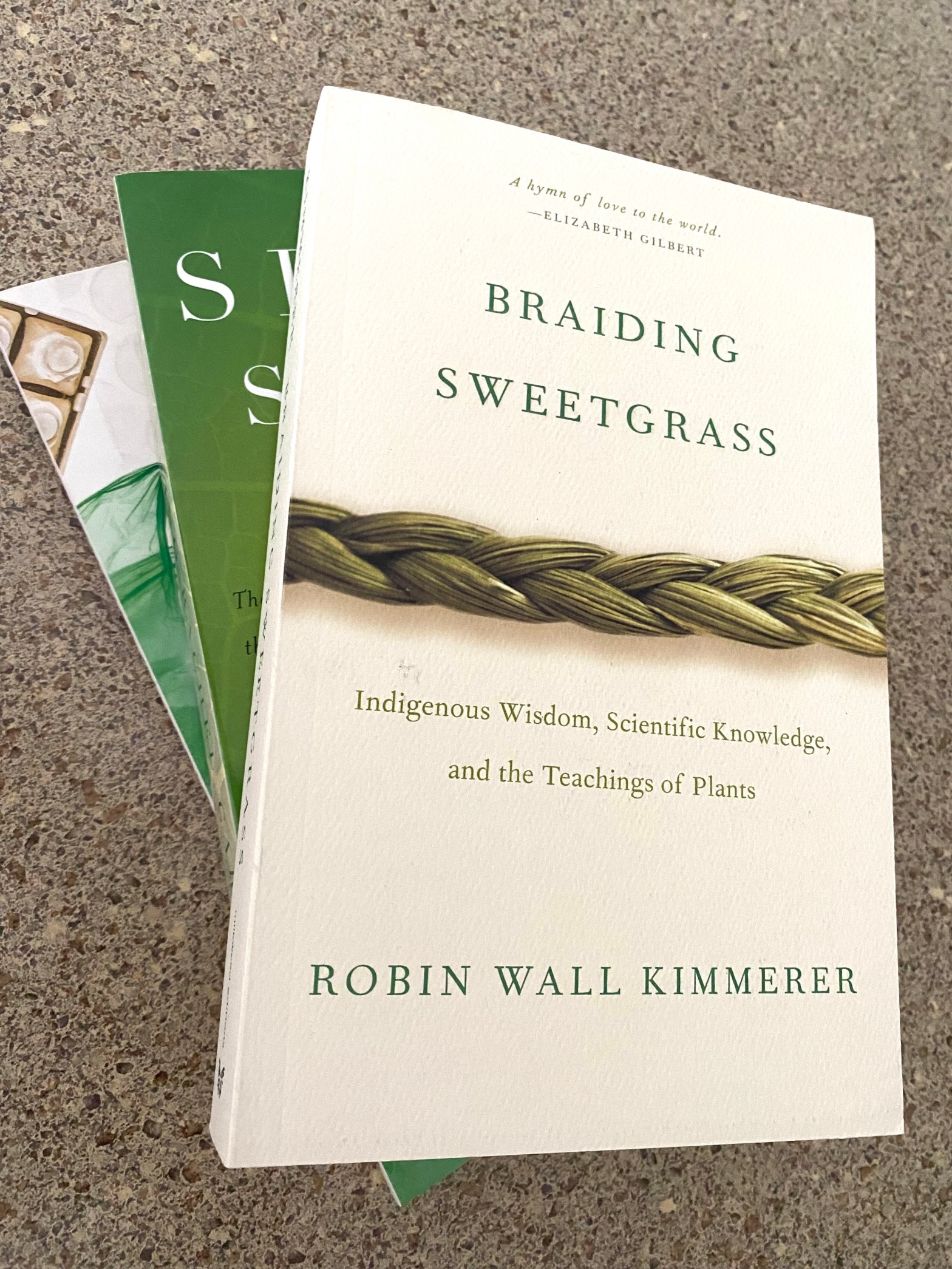
One of my big goals this year was to read at least one book each month. While I love reading fiction, I also like to break up novels with non-fiction reads that help me learn more and widen my perspective with valuable information. As you can imagine, I tend to read non-fiction books focusing on the environment, climate change, and other topics related. Here is a list of some of my favorite books as well as ones I plan to read this year:

This Changes Everything by Naomi Klein
This was one of the most impactful books I had ever read. Naomi Klein analyzes how capitalism prevents climate action and exploits the world’s most vulnerable countries and people who would be impacted the most by climate change. Klein also dives into the radical changes the world must take, as well as highlighting the importance of empowering indigenous communities who have been on the frontlines of climate action.
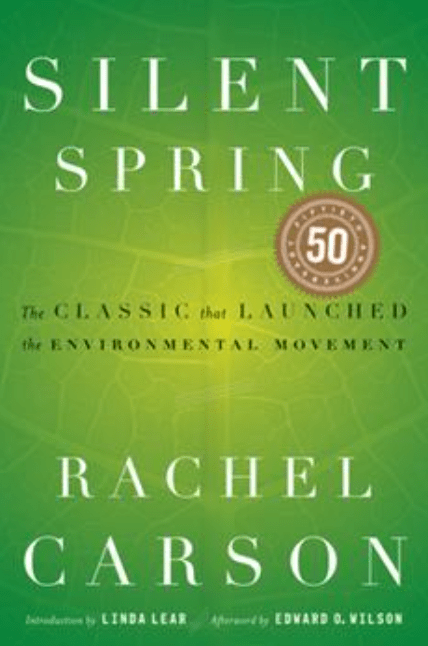
Silent Spring by Rachel Carson
The book that pioneered the environmental regulations of the 1960s and 1970s, it is a classic for any environmental enthusiast. Rachel Carson reports the detrimental effects due to the use of pesticides and DDT, and brings to light the propaganda that was used by the chemical industry to cover up their practices at the time.

Braiding Sweetgrass by Robin Wall Kimmerer
Written by Robin Wall Kimmerer, and indigenous scientist, her book examines how all living things in the world are connected, and how we must acknowledge and understand these relationships in order to reconnect with the earth.
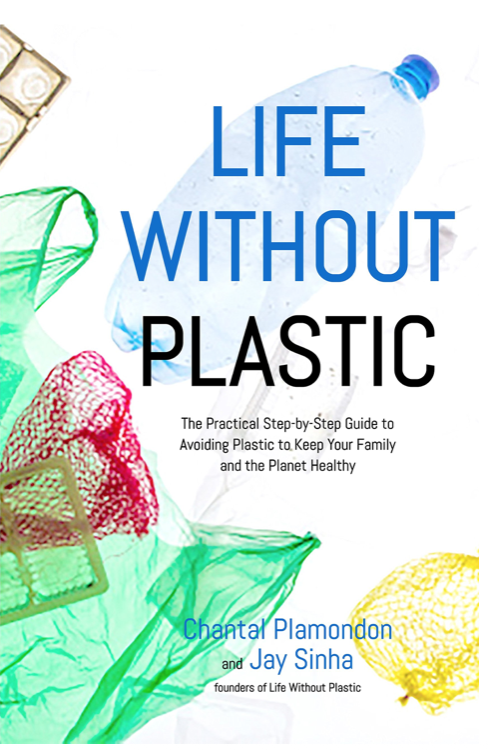
Life Without Plastic by Chantal Plamondon and Jay Sinha
Written more informally than a novel, this books offers a guide to avoiding plastic in your everyday life and how to slowly eliminate it for both your health and the health of the planet. I like referring to this book when I’m looking for plastic alternatives as I switch to a low-waste (and plastic) lifestyle.

All We Can Save by Ayana Elizabeth Johnson and Katharine Wilkinson
Books that address climate change and environmentalism are usually not optimistic, and for good reason. It’s a heavy subject and it can feel as though we’re making no progress as we are pushed towards the inevitable of climate change (against our will). But All We Can Save highlights the positive impacts that are being made each day by scientists and women, and gives the reader a sense of hope and courage to continue forward.
 travelsoftheresa.com